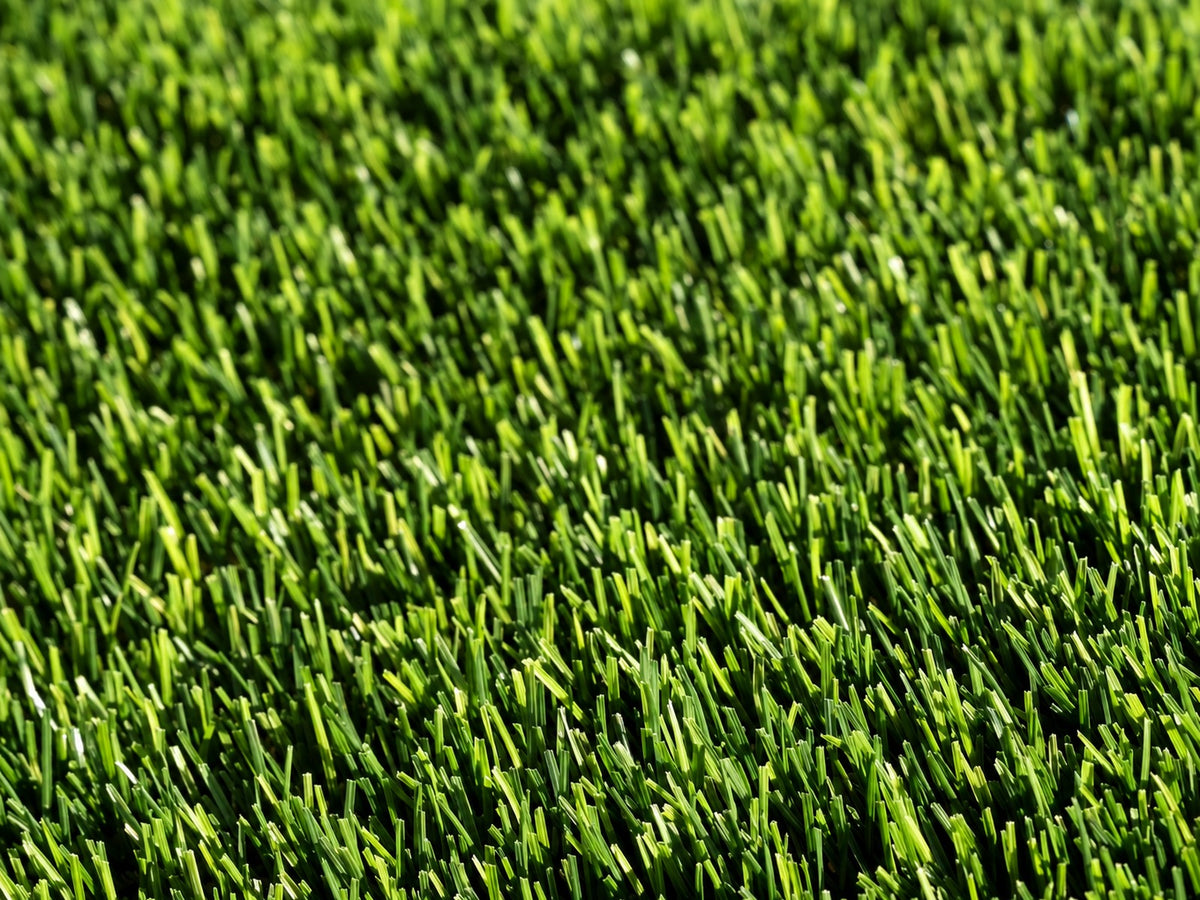
Artificial grass pros and cons boil down to one trade: you swap weekly mowing for a maintenance routine most homeowners never plan for. Skip that planning and you get the cons every skeptic warns about — heat, odor, matting. Handle it right and you get a lawn that looks sharp in July and January with a fraction of the work. Here's the honest breakdown, backed by real numbers, not marketing copy.
The Real Pros of Artificial Grass
You stop watering it. A typical natural lawn drinks roughly 22,000 gallons a year. Artificial turf needs none of that once it's down — the single biggest reason homeowners in drought-prone regions make the switch.
Maintenance drops to almost zero of the traditional kind. No mowing, no fertilizing, no aerating, no reseeding bare patches. You trade a weekly chore for an occasional one — brushing and clearing debris instead of pushing a mower every Saturday.
It survives what kills real grass. Dogs, kids, patio furniture, drought, shade — artificial turf doesn't die from foot traffic or go dormant in a heat wave. High-quality product holds up 10 to 20 years depending on traffic and care, with the upper end of that range only reachable if you actually maintain it.
It looks the same in every season. Green in August, green in February. No brown patches, no mud season, no reseeding in spring.
The payback is real, just not immediate. Between water savings and skipped lawn service bills, most installs break even in three to six years. After that, you're banking the difference.
The Real Cons of Artificial Grass
Upfront cost stings. Material alone runs roughly $1.19 to $1.89 per square foot before you add base prep, infill, and labor. A full backyard install is a real number, not a weekend impulse buy.
It gets hot. Really hot. Direct sun can push turf surface temperatures to 140–170°F, well above bare skin comfort and hotter than the natural grass next to it. This is the single most common complaint in every artificial grass pros and cons breakdown — and the one buyers most underestimate before installing.
It's not biodegradable. Turf is a petroleum-based product. When it wears out after 10 to 15 years, disposal is a real consideration, and recycling programs for old turf remain limited.
Poor installation causes real problems. Wrinkling, pooling water, and a spongy feel almost always trace back to bad base prep, not bad turf. This is the con that's actually a contractor problem wearing a product problem's name tag.
It still needs upkeep — just different upkeep. Leaves, pet waste, pollen, and dropped food don't disappear because the grass is synthetic. Skip cleaning and you get flattened blades, trapped odor, and a lawn that looks tired within a year or two.
The environmental question is real, and worth knowing before you buy. Independent research — including a 2025 case study on a New Jersey municipal field and a state Department of Environmental Protection review of the current science — flags legitimate concerns: turf is a petroleum product, some infill and backing materials have been linked to PFAS ("forever chemical") exposure, and disposal at end of life is genuinely harder than mowing a lawn. Those studies looked at heavily-used sports fields, not backyard installs, so the math shifts for a residential yard — but the honest answer is that turf isn't environmentally "free." If this matters to you, ask any installer directly about infill type (avoid crumb rubber where you can) and disposal options before you sign a contract.
Heat, Odor, and Matting: The Cons You Can Actually Fix
This is where most "pros and cons" roundups stop — they list the downsides and leave you to live with them. Most of the big three aren't fixed flaws. They're maintenance gaps.
Heat. You can't eliminate it, but you can cut it. A quick rinse before use drops surface temp fast, and regular brushing keeps blades standing upright instead of matted flat, which traps less heat than crushed fiber. A TurfoMax session redistributes infill and lifts blades in one pass — five minutes, noticeably cooler surface.
Odor. Pet waste and organic debris that sit in the infill layer are what cause smell, not the turf material itself. A weekly pass with a power sweeper pulls debris out of the base before it breaks down. If you've got dogs, this isn't optional — it's the difference between turf that stays fresh and turf that doesn't.
Matting. Foot traffic presses blades flat over time. Left alone, matted turf looks worn and sheds heat poorly. Regular brushing with a Reviver reverses it before it becomes permanent — the fiber has memory, but only if you jog it before it sets.
None of this is complicated. It's a 10-to-15-minute pass, once a week, with the right tool. Skip it for a season and you'll feel every con on this list. Stay on it and most of them barely register.
Cost Breakdown: Upfront Price vs. Long-Term Value
The upfront number scares people off before they run the math. Here's the actual comparison:
- Natural grass: Lower install cost, but ongoing water, fertilizer, mowing equipment or lawn service, reseeding, and weed control add up every single year with no ceiling.
- Artificial turf: Higher install cost, then near-zero recurring cost except occasional cleaning tools and infill top-offs — no water bill increase, no mowing, no seasonal reseeding.
Break-even typically lands at three to six years depending on your local water rates and whether you currently pay for lawn service. After that window, turf is the cheaper lawn every year it stays down. Run your own numbers before you commit: add up a year of water bills, mower gas or lawn-service invoices, fertilizer, and reseeding, then compare that annual total against the maintenance-tool cost of keeping turf clean. For most households, the crossover point arrives faster than the sales pitch suggests — and slower than the installer's brochure claims.
Who Should (and Shouldn't) Make the Switch
Turf makes sense if: you're in a drought-restricted area, you have dogs that turn grass to mud, your yard gets heavy shade where grass won't grow, you want a play surface that survives kids year-round, you're renting out the property and want zero-maintenance curb appeal for tenants, or you're simply done mowing.
Turf doesn't make sense if: you want a barefoot-in-July lawn without committing to a cooling routine, you're chasing a living, pollinator-friendly yard with real soil biology, your existing lawn already thrives on minimal water and you'd be solving a problem you don't have, or you're not willing to spend even ten minutes a week on upkeep — turf left completely alone degrades faster than a neglected natural lawn does.
There's no universal right answer here — only the right answer for your yard, your climate, and how much upkeep you're actually willing to do. The households that end up happiest are the ones who go in clear-eyed about both columns, not just the water-savings pitch.
Keep the Pros, Cut the Cons: A Maintenance Routine That Works
The gap between "artificial grass was a great investment" and "artificial grass was a mistake" almost never comes down to the product. It comes down to whether anyone kept up with it.
A simple weekly routine handles it: brush against the grain to lift matted fiber, sweep or vacuum debris out of the base before it decomposes, and rinse on the hottest days. A TurfoVolt makes this a five-minute cordless job instead of a chore you keep putting off — which is exactly why the cons pile up on lawns where nobody bothers.
Weigh the real numbers, plan for the maintenance the reviews don't mention, and artificial grass earns its upfront cost fast. Skip the upkeep, and you'll rediscover every con on this list within a year.