Search "how long does artificial grass last" and you'll get answers ranging from 8 years to 25 years — sometimes on the same page. That's not bad reporting, it's a real range. Quality artificial grass lasts 15 to 20 years under normal residential use, and up to 25 with a premium product and real care. Cheap turf, a bad install, or zero maintenance can knock that down to 8 years or less. The number that matters isn't the one on the packaging — it's the one you get after factoring in your climate, your traffic, and whether you actually maintain the stuff. Here's the honest breakdown, not the marketing version.
Average Artificial Grass Lifespan: What the Data Actually Shows
Strip out the sales copy and the numbers cluster in a predictable range:
- Premium turf, professional install, light residential traffic: 15–25 years.
- Mid-grade turf, standard residential use (kids, one pet, normal foot traffic): 10–20 years.
- High-traffic use — sports surfaces, playgrounds, multi-dog households: 8–15 years.
- Budget turf, shortcut install, no maintenance routine: as low as 2–5 years before it looks obviously fake.
Notice the pattern: the spread isn't about luck, it's about which bucket your setup falls into. Fiber quality, face weight, and UV-stabilized backing set the ceiling. Installation quality and ongoing care decide whether you actually reach it. A $6-per-square-foot turf with a sloppy install and zero brushing can underperform a mid-range product that gets proper care.
Factors That Shorten (or Extend) Turf Life
Five variables move the number more than anything else:
- Fiber and backing quality. UV-stabilized polyethylene blades hold color and bounce back from matting far longer than polypropylene. Polyurethane backing resists moisture and heat better than latex, which can delaminate in hot climates after 5–7 years.
- UV exposure. Direct, unshaded sun is the number one degradation driver. A south-facing lawn in Phoenix ages faster than the identical product in Seattle. No UV package lasts forever — it just slows the clock.
- Traffic type. Foot traffic is gentle compared to rolling loads, cleats, and dog claws concentrated on the same paths day after day. Traffic that's spread evenly wears slower than traffic funneled through one gate or walkway.
- Installation quality. Poor base prep and inadequate drainage cause low spots, standing water, and premature backing failure — problems that show up as "turf failure" but are really install failure.
- Infill maintenance. Infill compacts and needs replenishment roughly every 2–3 years. Skip it and fibers lay flat, drainage drops, and the lawn ages faster than the fiber itself would otherwise allow.
Four of those five are set the day your turf goes in. The fifth — maintenance — is the one you control for the next two decades.
Warranty vs. Real-World Lifespan: What's the Difference?
A warranty is a legal document, not a lifespan guarantee, and the two get confused constantly. Most manufacturer warranties run 8 to 15 years, occasionally advertised as "lifetime" with fine print that defines lifetime as something considerably shorter. Here's what the warranty actually covers, and what it doesn't:
- Typically covered: Manufacturing defects — premature fading beyond a stated threshold, backing delamination not caused by installation error, UV degradation faster than the rated curve.
- Typically excluded: Pet damage, improper installation by a non-approved installer, physical damage (burns, cuts, punctures), and normal wear from foot traffic.
- The labor question: Many warranties cover the material but not the labor to remove and reinstall it — read that clause before you assume a warranty claim means a free fix.
The practical takeaway: a 15-year warranty doesn't mean your turf survives 15 years of neglect. It means the manufacturer stands behind the material under normal use and proper care. Real-world lifespan and warranty length often land close together for products that get maintained — and drift far apart for ones that don't.
Maintenance Habits That Add Years to Your Turf
This is the lever nobody selling you turf wants to spend much time on, because it's not a one-time purchase — it's a routine. Four habits do the heavy lifting:
- Brush against the grain regularly. Foot traffic flattens fibers directionally. Brushing lifts them back up and prevents the permanent matting that ages a lawn visually years before the material actually fails. High-traffic paths need this weekly; the rest of the lawn holds up fine on a biweekly or monthly pass.
- Top up infill every 2–3 years. Infill cushions fibers, weighs down the backing, and keeps drainage clear. Compacted or depleted infill is one of the most common — and most fixable — causes of "my turf looks old" complaints.
- Clear debris before it decomposes. Leaves and organic debris trap moisture against the backing and accelerate the exact drainage failures that shorten lifespan. Regular clearing beats occasional deep cleaning.
- Match your tool to your lawn size. A quick weekly pass with something built for the job beats an occasional marathon session with the wrong equipment. For most residential lawns, the TurfoVolt covers the ground cordless — 2,500 RPM and up to 40 minutes of runtime on a pair of G-Core 4Ah batteries is enough to brush and lift a full yard without hunting for an outlet. For larger properties, HOA common areas, or landscaping crews managing multiple sites, the Pro Series' Briggs & Stratton CR950 208cc engine handles acreage a battery unit can't touch in one charge.
None of this is complicated. It's the difference between turf that looks new at year 12 and turf that looks tired at year 5 — same product, different routine.
Signs Your Turf Needs Repair or Replacement
Maintenance extends life, but every lawn eventually shows its age. Watch for:
- Matting that won't bounce back. A quick brush should lift flattened fibers. If they stay flat after brushing against the grain, the fiber's "memory" is gone — that's a wear issue, not a cleaning issue.
- Fading or a chalky, bluish-green look. UV inhibitors break down over time. Noticeable color shift, especially in sun-heavy zones, signals the fiber is aging out.
- Standing water or slow drainage. Water that pools instead of draining within minutes means the backing or infill has compacted past what brushing and topping up can fix.
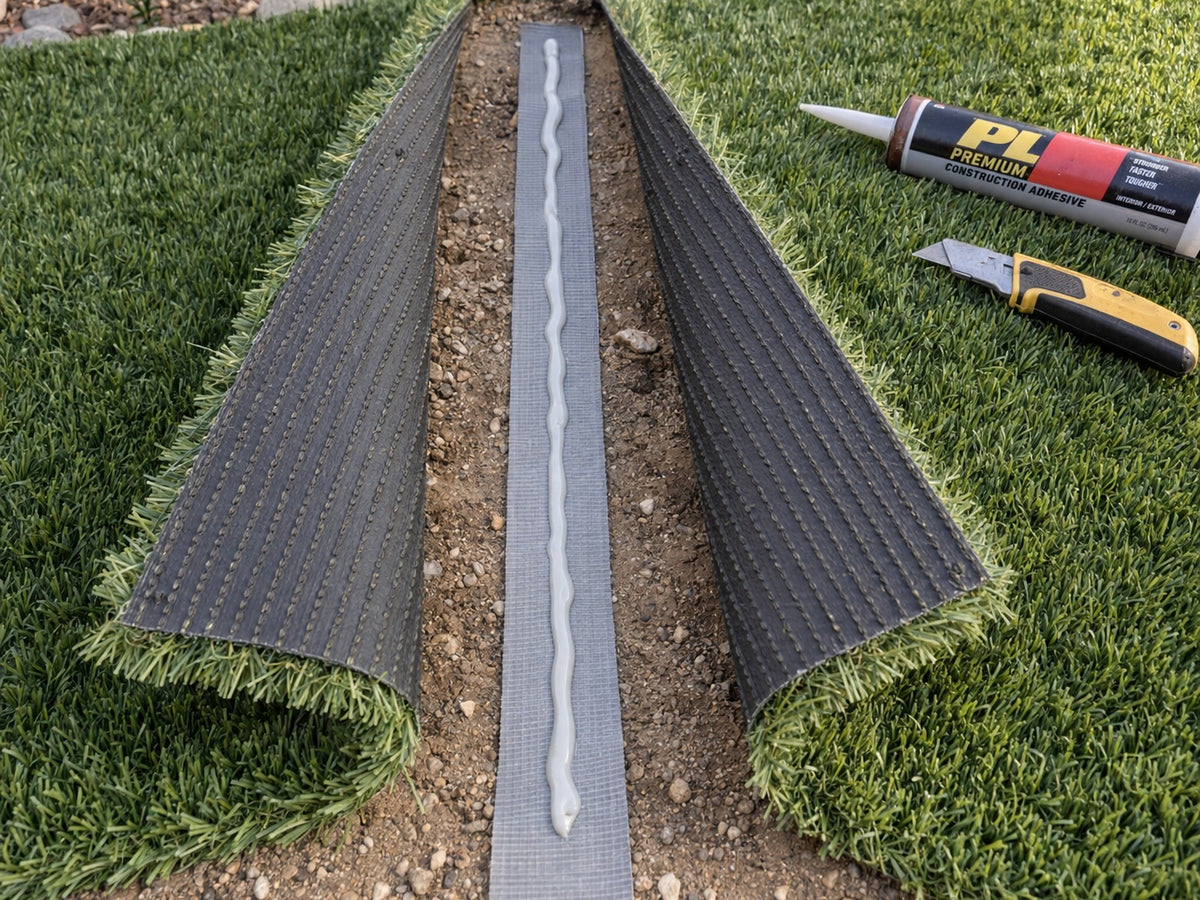
- Seams lifting or separating. This is often an installation issue rather than an age issue, but either way it's a trip hazard that needs attention, not a wait-and-see.
- Persistent odor after cleaning. If a proper rinse and enzyme treatment doesn't clear it, bacteria has likely worked into the backing itself — a sign the material is past the point routine care can reset.
One or two of these on an isolated section usually means a localized repair. Several at once, lawn-wide, means you're at the end of the product's real lifespan regardless of what the calendar says.
Getting the Most Life Out of Your Investment
The honest answer to "how long does artificial grass last" is: longer than most people get out of it, because most people treat it as a zero-maintenance product. It isn't. Quality material and a competent install buy you the 15-to-25-year ceiling. A brushing and infill routine is what actually gets you there instead of settling for 8. Start the habit the week it's installed, not the year it starts looking flat — matted fiber and compacted infill are far easier to prevent than reverse. Pick the tool sized to your lawn before the flattening starts, not after — browse the full GreenSweep lineup to find it.