Artificial grass costs more upfront than sod. It also saves you thousands over time — if you know the real numbers going in. Most cost guides stop at the installation quote. This one doesn't.
Here's every cost you'll face, what drives prices up or down, what you'll save each year, and what ongoing maintenance actually runs. By the end, you'll know whether artificial grass makes financial sense for your yard — and exactly what to budget.
What Does Artificial Grass Cost Per Square Foot?
Material alone runs $1.50–$10 per square foot, depending on fiber type, blade height, backing quality, and pile density. Here's how the tiers break down:
Entry-level (polypropylene): $1.50–$3.50/sq ft
Shorter pile, stiffer fiber. Works for low-traffic decorative areas or temporary installs. Not recommended for pets or heavy foot traffic — fibers flatten quickly.
Mid-range (polyethylene): $3.50–$6.00/sq ft
The sweet spot for most residential lawns. Soft underfoot, good drainage, realistic appearance. The majority of residential installs use this tier.
Premium (nylon or blended): $6.00–$10+/sq ft
Highest resilience and UV resistance. Ideal for putting greens, heavy pet use, or commercial applications. Holds its shape under intense foot traffic and heat.
Cooling-technology turf: Add $1–$2/sq ft to any tier
Products with heat-mitigation infills (coated sand, organic materials) reduce surface temp by 20–30°F on hot days. Worth it in Arizona, Nevada, and Southern California.
Total Installed Cost: What You Actually Pay
Material is just one part. Installed price covers labor, base preparation, infill, weed barrier, edging, and removal of the existing lawn. Expect $10–$22 per square foot all-in for most residential jobs.
Real project estimates:
| Project Size | Low End | Mid Range | High End |
|---|---|---|---|
| 500 sq ft (small backyard) | $5,000 | $7,500 | $11,000 |
| 1,000 sq ft (medium yard) | $10,000 | $15,000 | $20,000 |
| 1,500 sq ft (large yard) | $14,000 | $21,000 | $30,000+ |
What's included in a proper install:
- Excavation and grading: Remove existing lawn to 3–4" depth, level the area. Adds $0.50–$1.50/sq ft.
- Crushed aggregate base: 3–4" of decomposed granite or crushed stone for drainage and stability. Critical — skipping this causes pooling and turf movement. Adds $1–$2/sq ft.
- Weed barrier fabric: Geotextile membrane installed under the base. $0.20–$0.50/sq ft.
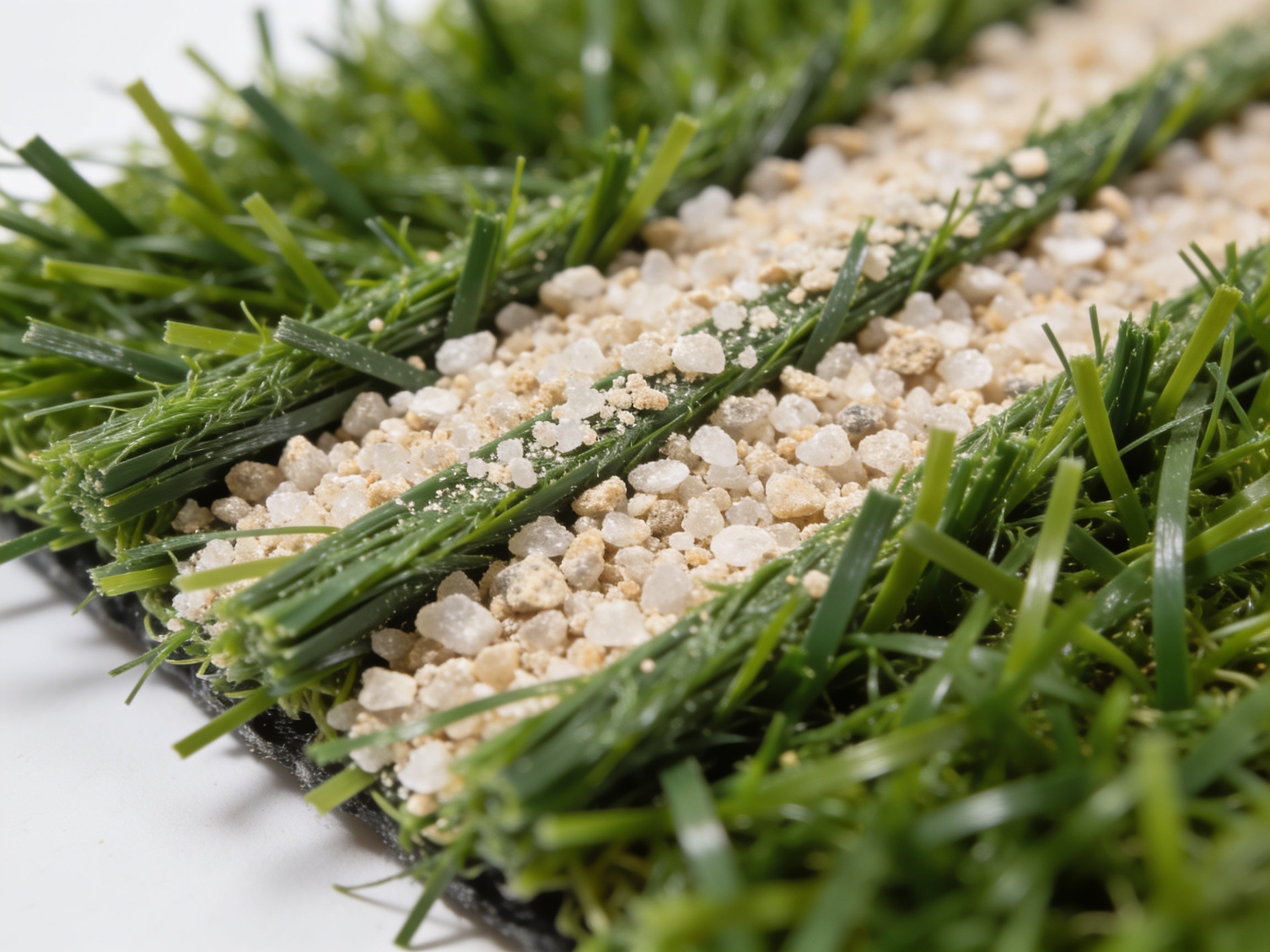
- Infill: Silica sand, crumb rubber, or organic infill spread at 2–4 lbs/sq ft to ballast fibers upright and cushion the surface. $0.50–$2/sq ft depending on type.
- Labor: $3–$6/sq ft in most markets. Higher in CA, WA, NY due to labor rates.
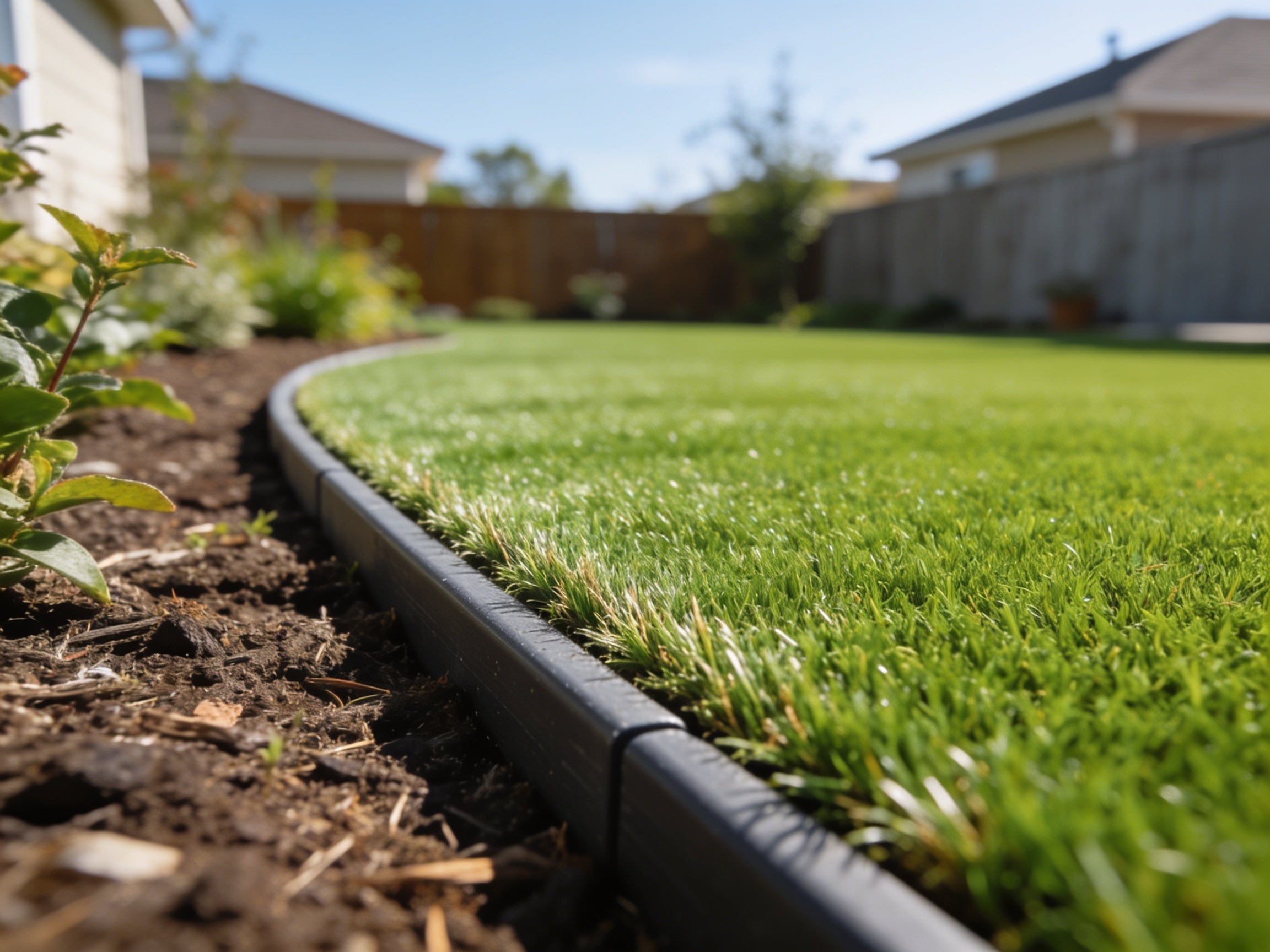
- Seaming and edging: Complex shapes, curves, and seam placement add 10–20% to labor costs.
What Drives the Price Up (or Down)
Shape complexity. A simple rectangle is the cheapest shape to install. Curved edges, circular areas, and turf around pool decks require more precise cuts and waste more material. Add 10–20% for complex shapes.
Slope and drainage needs. Sloped yards need additional grading and sometimes drainage infrastructure. Flat, well-draining yards cost less.
Region. Labor rates vary significantly. California, New York, and the Pacific Northwest run 15–30% above national averages. Texas, the Midwest, and the Southeast tend to be at or below average.
DIY vs. professional install. Experienced DIYers can save the labor cost ($3–$6/sq ft) but need proper equipment for compaction. Poor base prep is the #1 cause of premature turf failure — most residential installs are better off hiring a professional for the base work at minimum.
Specialty installs. Putting greens require specialized bending board edging, stimp-speed turf, and sometimes foam padding. Pet turf benefits from antimicrobial infill and specialized drainage backing. Both carry premium pricing.
The Hidden Savings: What Artificial Grass Saves You Each Year
Every cost guide shows you the installation price. Almost none show you what happens after. This is where artificial grass makes its financial case.
Water savings: The average American lawn uses 55 gallons of water per square foot per year. At national average water rates ($0.008–$0.01 per gallon), a 1,000 sq ft lawn costs $440–$550 per year to water — before drought surcharges. In California, Arizona, and Nevada, rates can push that to $800–$1,200 annually for the same lawn. Artificial grass uses zero irrigation water. Occasional rinse-downs use a fraction of that.
Mowing and lawn care: Weekly mowing runs $35–$75 per visit with a lawn service — $1,820–$3,900 per year for weekly cuts April through October. DIY mowing still costs gas, maintenance, equipment depreciation, and your time. That stops completely.
Fertilizer, seed, and chemicals: The average homeowner spends $200–$600 per year on lawn treatments — weed killers, fertilizer, grub control, overseeding. Artificial grass needs none of it.
Combined annual savings: $1,200–$3,500 per year depending on lawn size, region, and current maintenance habits.
Breakeven timeline: At $15,000 installed and $2,000/year savings, you break even in 7–8 years. In a high-water-cost region like southern California, that compresses to 4–6 years. The turf itself carries a 15–25 year product warranty. After breakeven, it's net positive every year.
Don't Overlook Ongoing Maintenance Costs
Artificial grass isn't maintenance-free — it's low maintenance. Here's what actual upkeep costs:
Grooming tools: Keeping fibers upright and debris-free requires periodic power brooming. A quality power broom like the GreenSweep TurfoMax ($249) handles routine grooming for most residential lawns. For larger areas or regular professional use, the Pro Series ($899) runs a Briggs & Stratton engine built for heavy-duty commercial work. Either is a one-time purchase — not an ongoing cost.
Cleaning products: Enzymatic cleaners and diluted solutions run $20–$60 per year for most households. Pet households should budget $50–$120 annually for dedicated turf deodorizers and cleaners.
Occasional repairs: Seam separation, edge pull-back, and infill displacement are the most common issues. A good installer will include a labor warranty (1–3 years is standard). After that, seam repairs typically run $150–$400 depending on scope.
Total annual maintenance: $50–$200 for most residential installations. Compare that to $1,200–$3,500 in lawn care expenses eliminated.
State and Local Rebates Worth Knowing
Several US states actively subsidize turf replacement because artificial grass eliminates lawn irrigation — a significant water conservation measure.
California: Metropolitan Water District, LADWP, and dozens of local water agencies offer $1–$3 per square foot in turf replacement rebates. Some programs cap at $2,000–$5,000 per household. Search "turf replacement rebate [your water district]" to find your specific program.
Nevada: Southern Nevada Water Authority pays $3/sq ft for removing live grass, up to 5,000 sq ft per year. That's up to $15,000 back on a large install in Clark County.
Arizona: Salt River Project and Tucson Water offer $0.50–$1.50/sq ft. Phoenix-area municipalities run periodic rebate programs — check your city water authority.
Colorado: Denver Water and Aurora Water both offer turf removal rebates. Amounts vary by year and budget availability.
Texas: Less common statewide, but San Antonio Water System and some Hill Country utilities run conservation rebate programs.
How to find yours: Enter your zip code at EPA WaterSense or search "[your city/water district] + turf rebate." Rebate programs change annually — confirm current availability before you commit.
A $15,000 install with a $3,000 rebate brings your net cost down to $12,000 and tightens the breakeven to 4–6 years.
Your Total Cost Picture
Here's the honest summary for a typical 1,000 sq ft residential install:
| Cost Item | Range |
|---|---|
| Installation (materials + labor) | $10,000–$20,000 |
| State/local rebate (where available) | -$1,000 to -$5,000 |
| Net upfront cost | $5,000–$19,000 |
| Annual maintenance (tools + cleaning) | $50–$200/year |
| Annual savings (water + lawn care) | $1,200–$3,500/year |
| Breakeven | 4–10 years |
| Product warranty | 15–25 years |
The numbers work — especially in water-stressed regions and for households currently spending heavily on lawn maintenance services. The bigger the current lawn care budget, the stronger the case.
Protect What You've Paid For
Once the turf is down, what you do with it determines whether it looks sharp in year 10 or looks rough in year 4. Regular grooming — power brooming every 4–8 weeks — keeps fibers upright, redistributes infill, and clears debris before it compacts into the backing.
Browse the GreenSweep full maintenance toolkit to find the right power broom for your lawn size. And if you're still doing your homework on installation, the GreenSweep guides library covers everything from prep to post-install care.