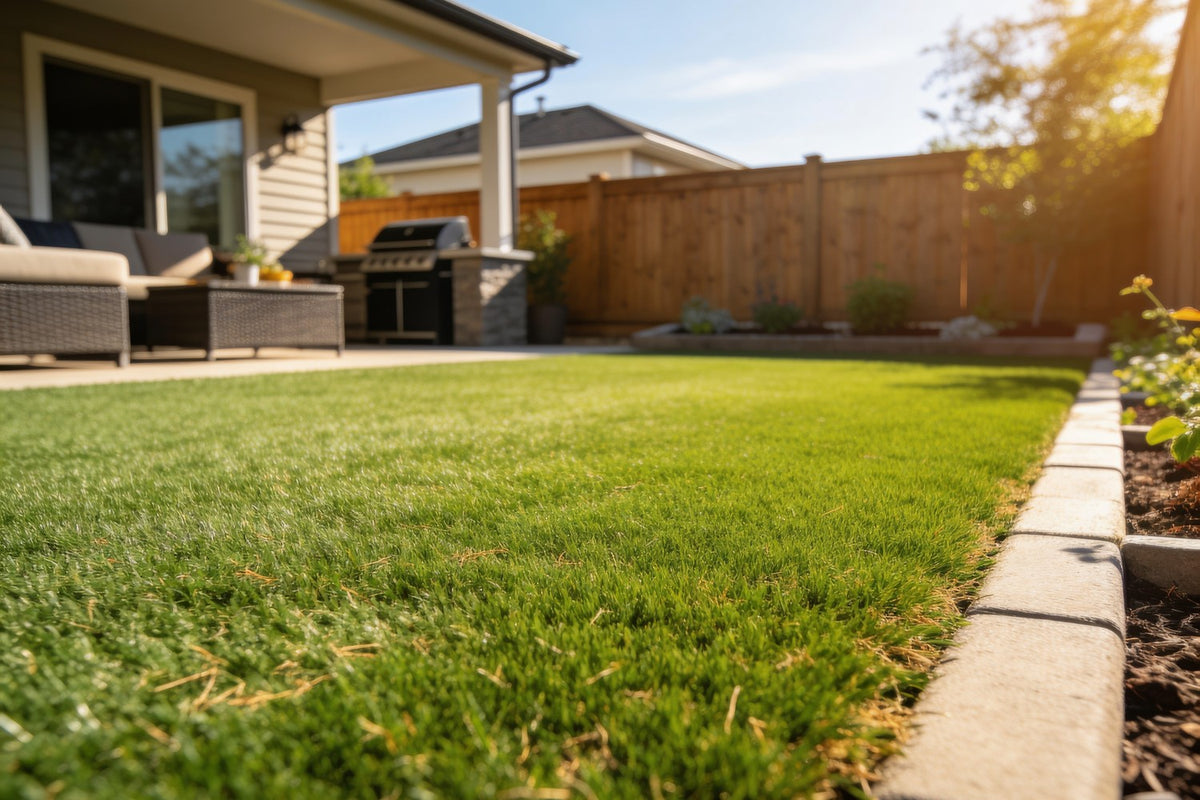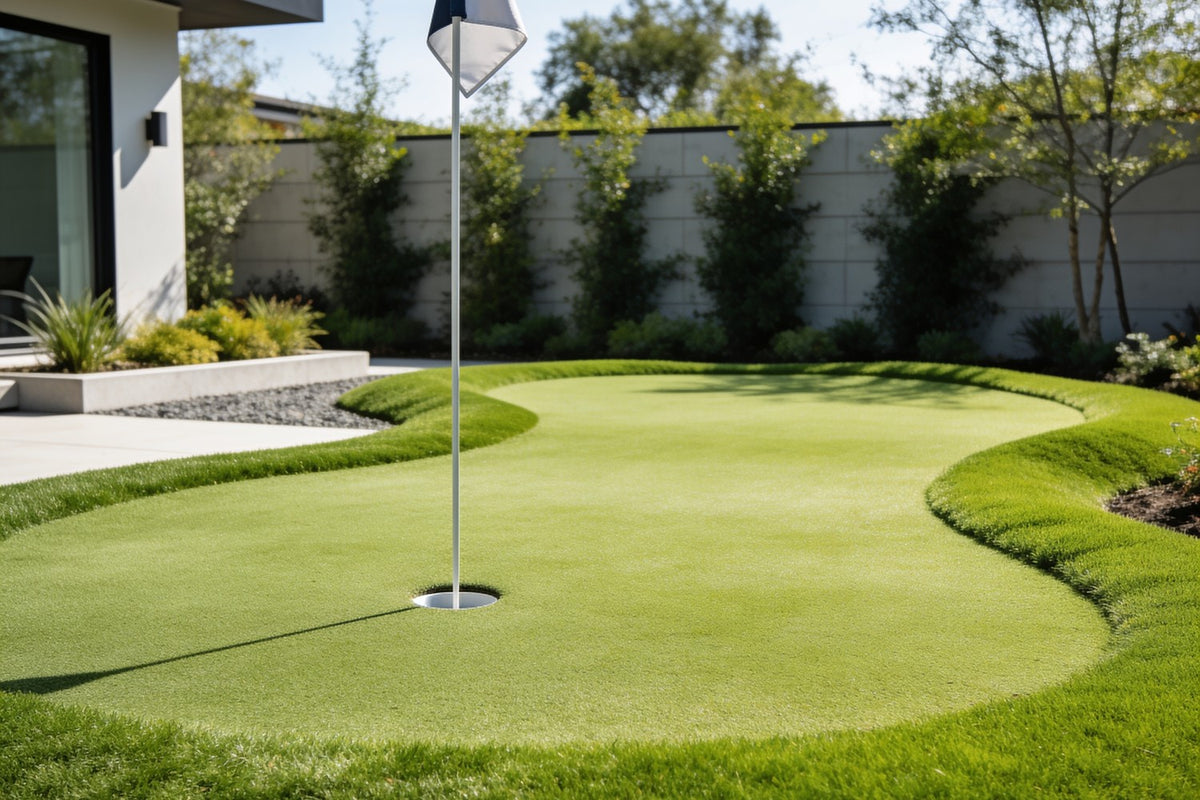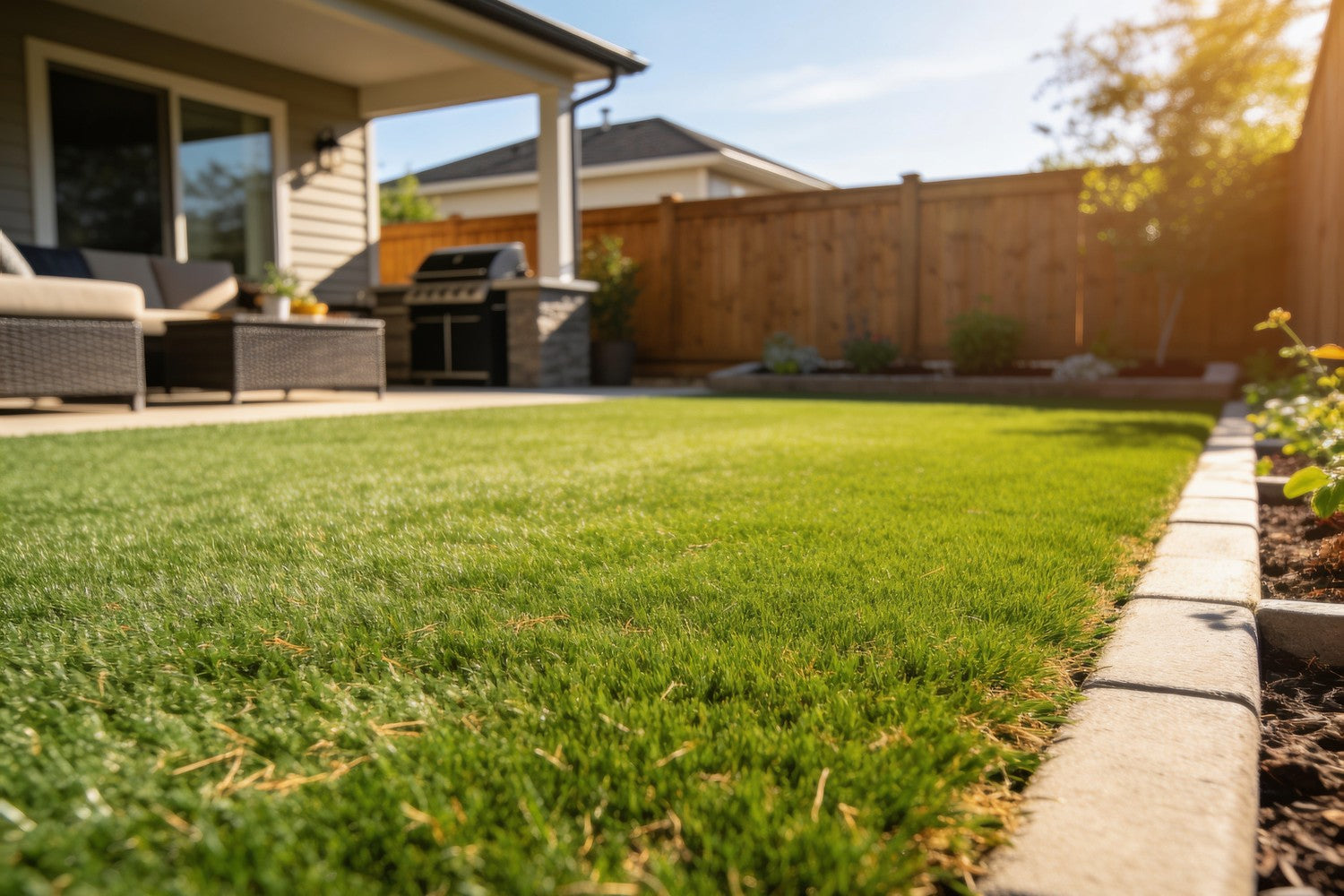
Artificial Turf for Backyard: Is It Worth the Cost?
Artificial turf for backyard use isn't a fad — it's a fix. No more Saturday mowing marathons, no brown patches after a heat wave, no muddy paw prints tracked across your patio. But before you rip out the sod, you need real numbers: what it actually costs, which turf holds up to kids and dogs, and what upkeep looks like once it's down. Here's the straight answer, no sales pitch, no rounding up to make the numbers look better than they are.
What Does Artificial Turf Cost for an Average Backyard?
Expect to pay $5–$20 per square foot for turf material and another $7–$15 per square foot for professional installation on a project under 1,500 square feet. For a typical 500-square-foot backyard, that lands you at roughly $6,250–$9,350 installed, according to 2026 industry cost surveys. Compare that to sod at around $185 for the same footprint, and the sticker shock is real — but so is the math on the other side: zero water bills for that patch of lawn, zero mowing, zero fertilizer or weed-killer runs.
Three things move the number the most:
- Turf material: polypropylene runs $2–$6/sq ft, polyethylene $2–$4/sq ft, nylon $5–$6.40/sq ft. Nylon is the toughest and the priciest — reserve it for high-traffic zones, not the whole yard.
- Yard shape: curves and irregular lines add 15–20% to labor. Slopes add 50–60%. A rectangular yard is your cheapest install every time.
- Site prep: old sod removal, grading, and a compacted aggregate base for drainage aren't optional — skip them and you'll be fighting puddles and lumps within a year.
Location swings the number too — labor rates alone can shift your total by 30–40%. Expect $17–$23 per square foot installed in New York, $14–$21 in Seattle, and $12–$15 in lower-cost-of-living markets like Gilbert, Arizona. Get your quotes locally; a national average is a starting point, not a quote.
Get itemized quotes from at least two installers and ask specifically what base depth and material they're using. A quote that skips the aggregate base is a quote that skips the part that actually makes turf last. Also ask about warranty length — quality residential turf carries an 8–15 year warranty against UV fade and fiber wear; anything shorter is a signal on material quality, not just price.
Best Turf Pile Height and Density for High-Traffic Yards
Not all turf is built the same, and pile height plus density decide whether your lawn looks fresh at year five or matted at year one. For a backyard that gets real foot traffic — kids, dogs, cornhole tournaments — target:
- Pile height: 1.5"–1.75". Taller blades look lush in photos but lay over fast under repeated pressure. Shorter piles spring back.
- Face weight: 50–70 oz per square yard. This is the real durability number — heavier face weight means more fiber standing between your foot and the backing.
- Density/stitch rate: tighter stitching (more rows per inch) resists thinning in high-traffic paths, like the line from your patio door to the grill.
Blade shape matters as much as material. Monofilament blades (flat, individual strands) resist matting better than fibrillated blades (thin strands connected in a web), which tend to look fuller out of the box but flatten faster under weight. Most quality backyard turf blends the two — monofilament for structure, a smaller ratio of fibrillated or curled thatch fiber for a fuller, more natural look at the base.
Polyethylene with a dense stitch and moderate pile height is the sweet spot for most backyards — it balances a natural look with the resilience to bounce back after a birthday party or a summer of fetch. Save nylon's premium durability for dog runs or areas that see near-constant use.
DIY Install vs. Hiring a Pro: What's Actually Involved
DIY installation is possible. It's also unforgiving. The process: remove existing sod, grade the sub-base for drainage, lay and compact 3–4 inches of crushed aggregate, roll out the turf, cut and glue seams, secure the perimeter, add infill, and brush the fibers upright. Every one of those steps has a failure mode — a base that isn't compacted enough shifts and creates ruts; a seam that's rushed shows a visible line for the life of the lawn.
Hire a pro if your yard has slopes, drainage challenges, or a footprint bigger than a two-day weekend project. DIY makes sense on small, flat, rectangular areas where a mistake costs you a redo weekend, not thousands of dollars in wasted material. Either way, the install quality sets the ceiling on how good your turf looks — no amount of aftercare fixes a bad base.
Going the DIY route? Budget for a plate compactor rental (not just a hand tamper — turf base needs real compaction), seaming tape or adhesive, turf nails or staples for the perimeter, and a broadcast spreader for infill. Skipping any of these to save a weekend's rental fee is how a $6,000 install turns into a $6,000 do-over.
Kids, Pets, and Sun Exposure: What Changes Your Turf Choice
A backyard with kids and dogs needs different specs than a decorative side yard. Look for:
- Perforated backing: lets liquids drain straight through instead of pooling — critical for pet cleanup and mud-free play after rain.
- Antimicrobial infill: zeolite or antimicrobial-treated sand cuts down on the odor buildup that untreated turf gets with regular pet use.
- Safety certifications: check for ASTM and REACH compliance, especially if kids will be rolling around on it — this confirms the materials meet non-toxicity standards.
- Heat management: synthetic turf runs hotter than natural grass in direct sun — light-colored fibers and cooling infills knock several degrees off surface temperature. If your yard bakes all afternoon, plan shade structures or a lighter-colored turf blend.
Drainage deserves its own callout: a properly installed backyard turf system should percolate at 30+ inches of rainfall per hour through the backing and aggregate base combined. If a section of your yard collects water after a storm, that's a base or grading problem, not a turf problem — flag it with your installer before the sod comes out, not after.
For households with multiple dogs or a high-use dog run, ask specifically about pet-turf product lines — they typically pair a tighter, shorter pile with a heavier-duty perforated backing built to handle daily soaking and rinsing without breaking down over time.
None of this is a dealbreaker — it's a spec sheet. Match the backing, infill, and color to how your family actually uses the yard, and the "is it safe for my kids and dogs" question answers itself.
Keeping Backyard Turf Looking New Year-Round
Artificial turf is low-maintenance, not zero-maintenance. Fibers that don't get brushed regularly mat down in traffic lanes, and matted turf is the single biggest reason "maintenance-free" lawns start looking tired after two summers. The fix is mechanical, not chemical: a weekly pass with a power brush lifts fibers back to vertical and keeps the lawn looking freshly installed.
The TurfoMax handles this with a 13-amp motor and a self-propelled DuoHelix brush across a 15-inch path — wide enough to cover an average backyard in one pass without a shoulder workout. For debris and leaf litter between brushing sessions, pair it with a stiff-bristle rake to clear surface clutter before it works into the backing. Full setup and seasonal routines are in our turf care guides.
Run a maintenance pass every 1–2 weeks in high-traffic yards, monthly in lower-use areas, and always after heavy rain or a big backyard event. That's the entire routine — no watering, no mowing schedule, no fertilizer calendar. Compare that to the hours you'd spend on a natural lawn each month, and the fifteen-minute brush pass is the whole trade.
Bottom Line: Is Backyard Turf Worth It?
Artificial turf for backyard installs pays off if you're trading mowing, watering, and reseeding for a fixed upfront cost and a fifteen-minute weekly brush. Budget $6,000–$9,000 for a typical 500-square-foot yard installed, choose a 1.5"–1.75" pile with 50–70 oz face weight for durability, and don't skip the aggregate base — that's where lawns actually fail. Add pet- and kid-specific specs if your household needs them, and keep a power brush in the garage from day one.
The math favors turf fastest in hot, dry climates with high water costs and in households that have given up on keeping natural grass alive under kids and dogs. It favors turf slowest in cooler, wetter climates where natural grass thrives without much intervention — factor your actual climate into the decision, not just the Instagram photos of someone else's yard.
Browse the full GreenSweep lineup to find the right maintenance tool for your yard size before your turf goes down — not after it's already matted.