Can You Install Artificial Turf Over Patios and Concrete?
Yes, you can install artificial turf directly over a patio or a slab of concrete — and it's one of the best uses for fake grass, period. No soil to prep, no grading to fight, no roots to worry about. But "can you" and "should you do it the way most guides tell you" are two different questions. Lay turf on concrete the wrong way and you'll trap water under it, cook the backing in direct sun, and watch seams lift within a year. Do it right, and a concrete patio is actually an easier, more predictable install than open ground.
Here's what changes when your base is hard instead of soft — and exactly how to handle it.
Why Concrete and Pavers Are a Different Install Than Soil
On soil, water disappears into the ground on its own. On concrete, it has nowhere to go except through the turf backing itself — so drainage becomes the single most important spec in the whole project, not an afterthought. Heat is the other difference: concrete absorbs and radiates sun exposure more than dirt does, which pushes turf temperature higher and accelerates UV breakdown if the fibers aren't rated for it. And because the surface is rigid and permanent, there's zero cushioning unless you add it — every footstep, chair leg, and dog paw transfers straight through to a hard slab underneath.
None of that makes concrete a bad surface for turf. It just means the install has three non-negotiables: drainage, UV-stable fiber, and a cushioning layer.
What to Check Before You Buy the Turf
- Drainage backing rated 30+ inches per hour. On soil, mediocre drainage still gets bailed out by the ground underneath. On concrete, it's the only path water has — don't compromise here.
- UV-stabilized fibers. Concrete runs hotter than soil in direct sun. Cheap, non-UV-treated turf fades to straw yellow in a season on a sun-exposed patio.
- Pile height 0.75"-1.25". Shorter pile handles furniture legs and foot traffic without matting down the way taller, "lush-look" turf does on hard surfaces.
- Face weight 60-80 oz/sq yd. Dense enough to resist crushing under a dining set, not so dense it feels like carpet underfoot.
Installing Over a Solid Concrete Slab
- Pressure-wash and inspect. Clear debris, then run a hose test to find low spots or standing water. Fix drainage issues in the slab now — turf will hide a problem, not solve it.
- Add a shock pad or drainage mat. This is the step that makes or breaks a concrete install. A 5-10mm perforated drainage/shock pad gives water somewhere to go and adds the cushioning concrete can't provide on its own.
- Perimeter-only adhesive. Glue the edges, not the full surface. Full-spread adhesive blocks the backing's perforations and traps moisture underneath — that's what causes the sour smell people mistakenly blame on the turf itself.
- Tape and glue every seam. Most rolls run 12'-15' wide, so a patio wider than that will have a seam. Seaming tape plus adhesive keeps it flat and invisible; adhesive alone telegraphs a ridge within weeks.
- Infill last. 1-2 lbs of silica sand per square foot weighs the blades down, keeps them standing upright, and helps push water through to the drainage layer below.
Installing Over Pavers or Decking
Pavers and deck boards already have gaps that help drainage — but those same gaps create uneven support that shows through thin turf.
- Bridge gaps over 1/2" wide with a thin foam underlayment so the turf doesn't dip into the joints.
- Skip anything that penetrates a waterproof membrane. On decking, outdoor-rated adhesive tape holds turf in place without screws or nails compromising what's underneath.
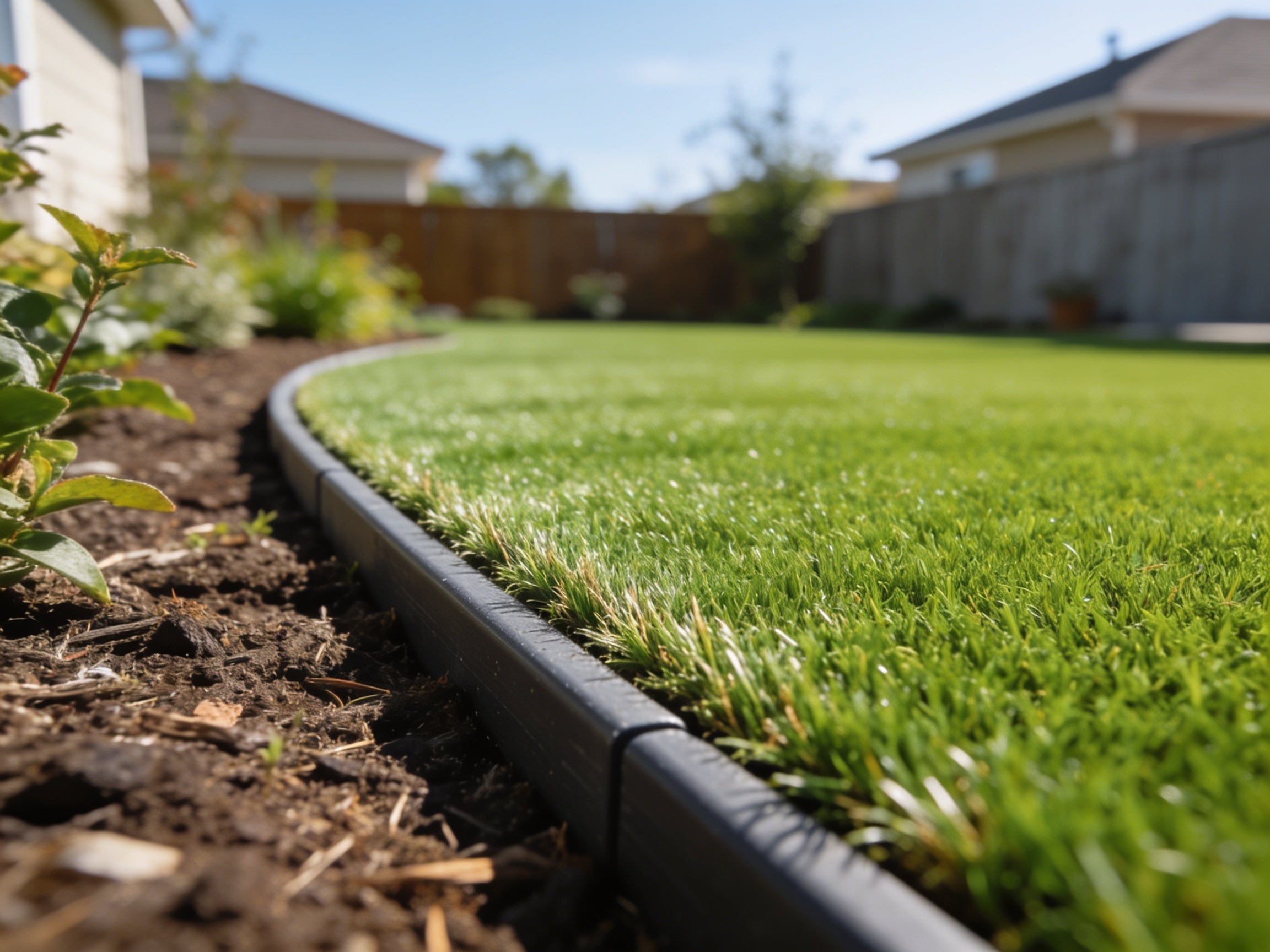
- Edge the perimeter with aluminum or composite strips — this is what stops corners from curling, the single most common complaint on paver and deck installs.
The Drainage Mistakes That Cause Most Complaints
Almost every "my patio turf smells" or "water pools on my turf" complaint comes down to one of these:
- No slope in the base. Even 1-2% grade (about 1/8" per foot) is enough to move water to one edge instead of letting it sit in the middle.
- Full-surface glue instead of perimeter-only. It seals the drainage holes shut.
- No shock pad on solid concrete. Without one, water sits trapped between the slab and the turf backing with nowhere to go.
If your patio already has a low spot, put a drainage grate or a small French drain there before the turf goes down — it's a five-minute fix now versus tearing everything up later.
Keeping Patio Turf Looking New
Patio turf takes more concentrated foot and furniture traffic than a lawn install, so upkeep matters more here, not less:
- Brush against the grain every 2-3 weeks in high-traffic spots. A powered brush like the TurfoMax does this in minutes and lifts crushed fibers a stiff broom won't touch.
- Rinse monthly to clear the pollen, dust, and food debris a patio collects faster than open lawn does.
- Rotate furniture periodically so permanent flat spots don't set in under table and chair legs.
- Check seams once a season. Concrete expands and contracts with temperature more aggressively than soil — catch a lifting seam edge before it becomes a trip hazard.
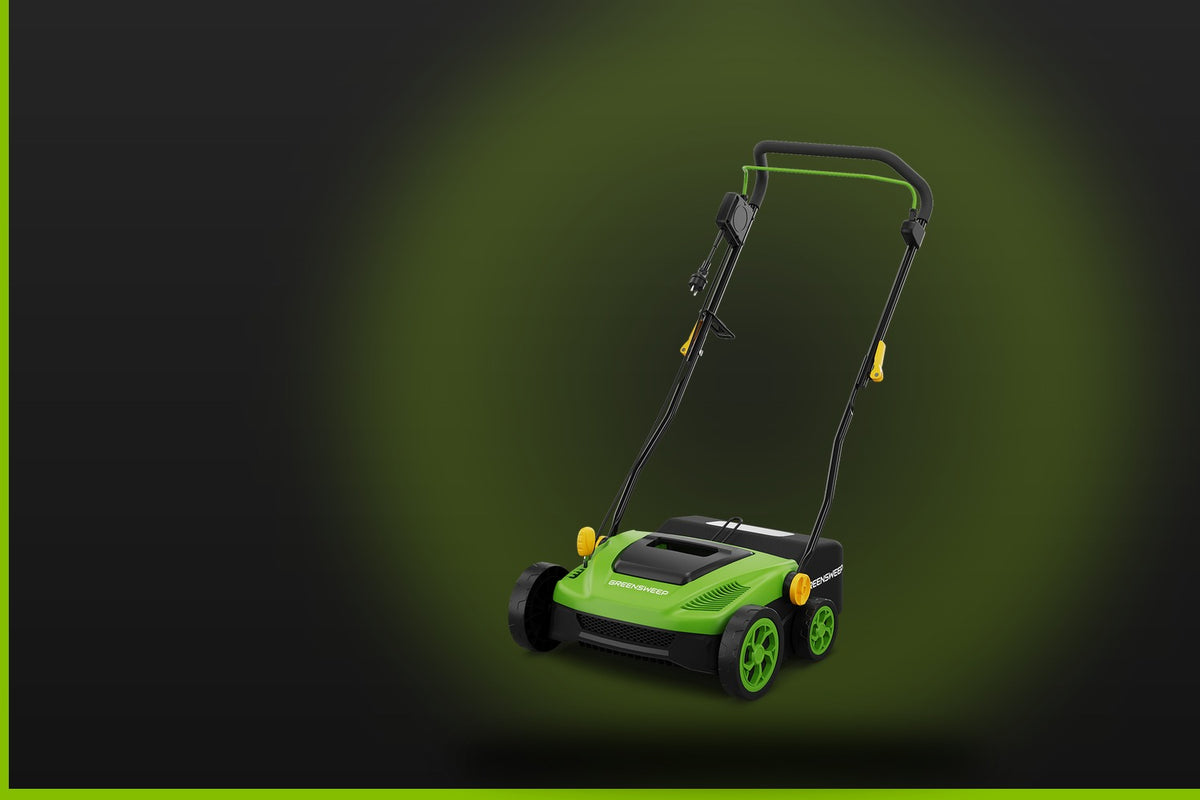
For ground-in dirt between infill or heavier debris, the Reviver handles corded cleanup in a footprint sized for a patio, not a full lawn.
The Bottom Line
Artificial turf over a patio or concrete slab works — arguably better than on soil, once you account for drainage, UV rating, and cushioning. Skip the shock pad or glue the whole surface down and you're building in the exact problems people blame on "bad turf." Get the base prep right once and a concrete patio install outlasts almost anything else you could put in that spot.
Browse the full lineup of turf care tools sized for jobs exactly this size on our guides page, or check out the TurfoMax power brush to keep new patio turf looking freshly installed year-round.